
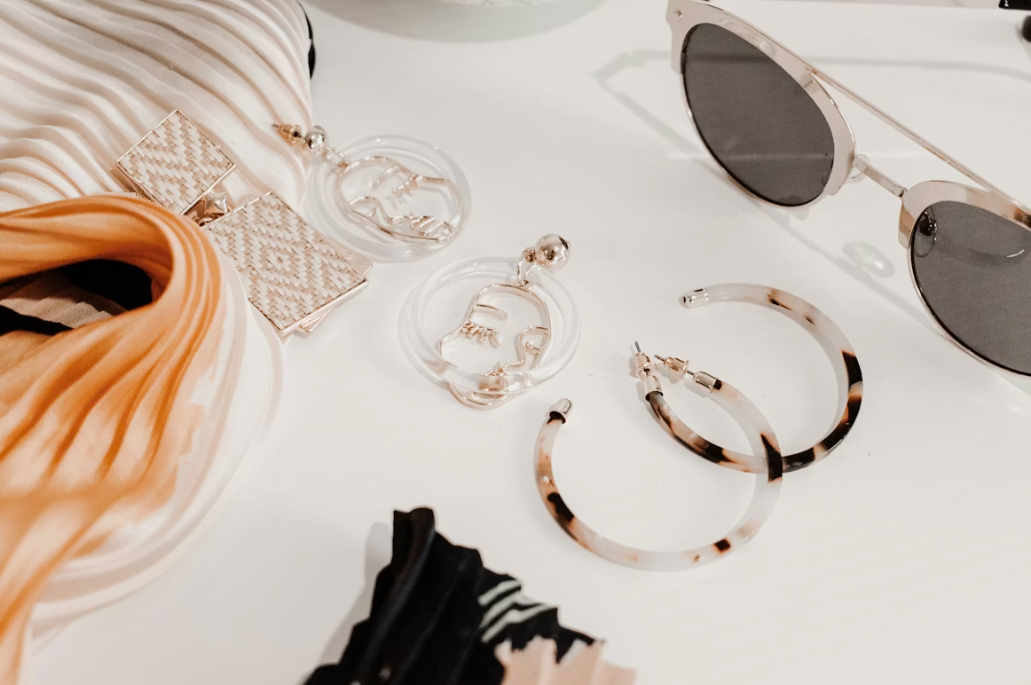
Have you ever looked in the mirror and felt that your outfit was “fine,” but lacked a certain je ne sais quoi? Usually, the missing link isn’t another shirt or a different pair of pants. It’s the lack of punctuation. In the language of fashion, accessories are the exclamation points, the commas, and the bold font. They provide the context that tells the world who you are before you even speak. Let’s dive into the analytical core of what makes an accessory “work.”
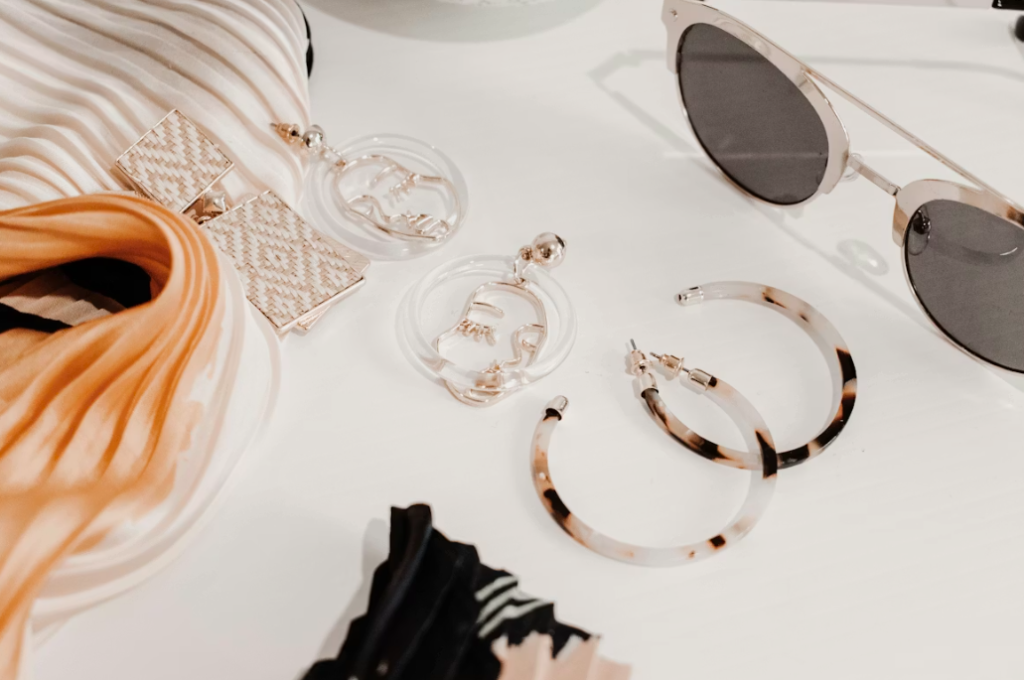
The Power of the Pivot: Why Accessories Matter
Most people focus 90% of their budget on 10% of their impact. They buy expensive suits or dresses but pair them with generic shoes or a worn-out watch. This is a strategic error. An accessory is a “force multiplier.” It can take a simple $20 white t-shirt and elevate it to a $2,000 aesthetic. Why? Because accessories signal attention to detail. In a world of fast fashion, detail is the only true luxury left.
The Psychology of Visual Anchors
Human eyes are naturally drawn to points of contrast. A gold watch on a wrist or a silk scarf around a neck acts as a visual anchor. It gives the eye a place to rest and creates a focal point that breaks up the monotony of a silhouette. If your outfit is a story, your accessories are the plot twists that keep the reader engaged.
1. The Statement Timepiece: More Than Just Tracking Minutes
In an age where everyone has a smartphone, a wristwatch is no longer a tool; it is a statement of intent. It suggests that you value time, tradition, and craftsmanship. From an analytical perspective, a watch is the most potent accessory a person can own.
Mechanical vs. Digital: An Analytical Choice
While a smartwatch offers utility, a mechanical timepiece offers soul. The intricate gears of a Swiss movement represent a commitment to longevity over planned obsolescence. If you want to project authority, go analog. If you want to project modern efficiency, go high-end digital. Either way, make it intentional.
2. Structured Leather Handbags: The Silhouette Stabilizer
A bag isn’t just a vessel for your keys and wallet; it’s a structural component of your look. A “slouchy” bag projects a relaxed, bohemian vibe, while a structured leather tote or briefcase projects discipline and organization. If your outfit feels too “soft,” a rigid, high-quality leather bag provides the necessary architectural contrast.
3. High-Quality Footwear: The Foundation of Authority
You can tell a lot about a person’s strategic thinking by their shoes. Are they scuffed? Are they cheap? Footwear is the literal and figurative foundation of your look. Investing in a pair of Goodyear-welted shoes or premium leather sneakers isn’t just about fashion; it’s about durability and posture.
The Loafer vs. The Chelsea Boot: Versatility Metrics
If we look at the data, the loafer is the most versatile shoe for summer and spring, while the Chelsea boot dominates autumn and winter. Both share a “laceless” silhouette that is sleek, modern, and incredibly easy to pair with everything from denim to tailored trousers.
4. Signature Eyewear: Framing Your Perspective
Your face is the primary point of contact in any social interaction. Why wouldn’t you want to frame it perfectly? Sunglasses or optical frames are the most “visible” accessories you can wear. They are the first thing people notice and the last thing they forget.
Analyzing Face Shapes and Frame Geometry
The secret here is opposition. If you have a round face, you need angular frames to provide definition. If you have a square, chiseled jawline, rounder frames will soften your appearance. It’s a simple geometric equation that results in immediate facial symmetry.
5. The Silk Scarf: A Masterclass in Texture
A silk scarf is the ultimate “burstiness” tool. It adds a pop of color and a luxurious sheen to an otherwise matte outfit. Whether tied around the neck, the wrist, or the handle of a bag, it signals a level of sophistication that is often associated with old-world elegance. It’s a small piece of fabric that does heavy lifting.
6. Minimalist Jewelry: The Subliminal Shine
Jewelry should be a whisper, not a scream. A simple gold chain, a pair of diamond studs, or a signet ring provides a “subliminal shine.” It catches the light just enough to be noticed without being distracting. Analytically, jewelry should complement your skin tone—cool tones for silver/platinum, and warm tones for gold.
7. The Leather Belt: Defining the Proportions
A belt is more than a tool to keep your pants up; it’s a line of demarcation. It defines your waist and creates the “Golden Ratio” in your silhouette. A high-quality leather belt with a subtle buckle can unify a disjointed top and bottom, making the outfit look like a cohesive unit rather than two separate pieces.
8. The Classic Hat: Crowning Your Aesthetic
Hats are for the bold. Whether it’s a wool fedora in the winter or a structured Panama hat in the summer, headwear adds a layer of mystery and completion. It’s the “capstone” of the wardrobe. If you want to stand out in a crowd, add height and character with a well-chosen hat.
9. Tech Accessories: The Modern Style Frontier
In 2026, your phone case and laptop sleeve are as much a part of your style as your shoes. A cracked phone screen or a cheap plastic case can undermine a $5,000 suit in seconds. Opt for leather or high-end recycled materials for your tech gear to ensure your “digital presence” matches your physical one.
10. The Power of Fragrance: The Invisible Accessory
Scent is the most powerful memory trigger in the human brain. While invisible, your “Scent Profile” is an accessory that lingers long after you’ve left the room. An analytical approach to fragrance involves understanding “notes”—top, heart, and base. Choose a signature scent that aligns with the season and your personality. It’s the final, invisible layer of your armor.
Maintenance: Protecting Your Stylistic Assets
An upgraded look requires upkeep. A leather bag needs conditioning; shoes need polishing; jewelry needs cleaning. If your accessories look tired, you look tired. Treat these items as investments, and they will pay dividends for years.
Conclusion: Curating Your Signature Toolkit
You don’t need a thousand items to look like a million bucks. You need ten deliberate choices. By strategically selecting accessories that provide contrast, structure, and shine, you transform your wardrobe from a collection of clothes into a powerful tool for self-expression. Remember: fashion is what you buy, but style is how you put it all together.
FAQs
1. Should I match my belt to my shoes? In formal settings, yes. Matching leather colors (and even textures) provides a streamlined, professional look. In casual settings, you can be more flexible, but try to stay within the same “warmth” or “coolness” of the color family.
2. Is it possible to wear too many accessories? Coco Chanel famously said, “Before you leave the house, look in the mirror and take one thing off.” If your accessories are competing for attention, you’ve gone too far. Aim for one “hero” piece and two or three “supporting” pieces.
3. How do I choose between gold and silver jewelry? Look at the veins on your wrist. If they appear green, you likely have warm undertones and gold will look best. If they appear blue or purple, you have cool undertones and silver/platinum is your best bet.
4. Are designer logos worth the extra cost? Analytically, no. You are paying for marketing. High-quality unbranded leather or craftsmanship usually offers a better price-to-quality ratio and looks more “timeless” than a loud logo that might go out of style next season.
5. Can I wear sunglasses indoors? Unless you are a rockstar or have a medical reason, generally no. It removes the ability for eye contact, which is the most important part of human connection. Keep them for the outdoors or very bright, glass-walled environments.