
Defining the Anatomy of an Ideal Walking Shoe
When you are on your feet for eight to twelve hours a day, your shoes are no longer just a fashion statement; they are essential pieces of biological support equipment. Think of your feet as the foundation of a skyscraper. If the foundation is shaky, the rest of the structure—your ankles, knees, hips, and lower back—will eventually pay the price. Finding the best comfortable shoes for walking all day requires looking beyond the flashy logos and diving into the engineering of the midsole and outsole.
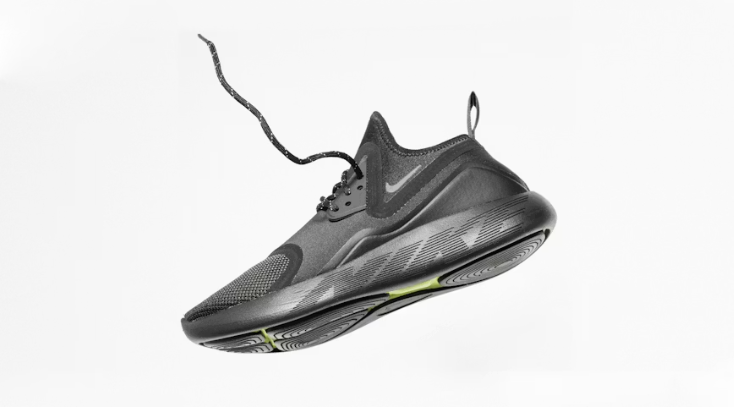
Cushioning Systems: Beyond the Surface Level
Cushioning is the first thing most people look for, but not all “soft” shoes are created equal. Have you ever walked on a mattress? It feels great for five minutes, but after an hour, your legs are exhausted because you have no stability. The goal is “responsive” cushioning. This means a material that absorbs the impact of the pavement but provides enough energy return to push you into your next step. High-end foams, like polyurethane or specialized EVA (ethylene-vinyl acetate) blends, offer that perfect balance between marshmallow softness and a firm trampoline-like bounce.
Arch Support: The Structural Integrity of Your Gait
Your arch is a natural shock absorber. However, most modern surfaces (concrete and hardwood) are unforgiving. Without proper arch support, your foot may overpronate (roll inward) or supinate (roll outward), leading to fatigue. A shoe with a well-defined contoured footbed keeps your foot in a neutral position, effectively distributing your body weight across the entire sole rather than concentrating it on the heel or the ball of the foot.
Neutral vs. Stability: Which One Do You Need?
If you have a “normal” arch, a neutral shoe provides the flexibility you need. However, if your arches collapse, you need a stability shoe. These often feature a “medial post”—a firmer piece of foam on the inside of the shoe—that acts like a guardrail, preventing your ankle from rolling too far inward. Choosing the wrong category is like trying to drive a car with misaligned tires; you’ll get where you’re going, but you’ll burn through your tread and engine a lot faster.
Top Contenders for Maximum Daily Comfort
The market is saturated, but a few brands consistently rise to the top when subjected to the rigors of all-day wear. It is an arms race of foam technology and biomechanical research.
The Performance Leaders: Hoka and New Balance
Hoka has revolutionized the walking world with its “maximalist” philosophy. Their shoes look bulky, but they are surprisingly lightweight. The signature “rocker” sole acts like a rocking chair for your foot, transitioning you from heel to toe with almost zero effort. On the other hand, New Balance has mastered the art of the “last” (the shape of the shoe), offering various widths that many other brands ignore. Their Fresh Foam line provides a plush, consistent ride that feels the same at mile one as it does at mile ten.
The Daily Drivers: Skechers and Brooks
For those who want comfort without the high-performance price tag, Skechers’ GoWalk series is a marvel of simplicity. They use Goga Mat technology that mimics a yoga mat’s squishiness. However, if you are looking for a more “serious” shoe that can handle heavy-duty walking, Brooks is the gold standard. Their DNA LOFT cushioning adapts to your specific weight and stride, making it a personalized experience.
Why the New Balance 990 Series Remains a Legend
There is a reason why tech moguls and nurses alike swear by the 990 series. It is the quintessential “dad shoe” that prioritizes function over everything else. With a pigskin and mesh upper for breathability and an ENCAP midsole for durability, it provides a structured feel that “soft” shoes simply cannot match. It is the industrial-grade SUV of the shoe world—built to last and built to protect.
The Science of “Step-In” Comfort vs. Long-Term Durability
Many people make the mistake of buying shoes that feel like slippers the moment they put them on. Beware the “slipper trap.” Often, shoes that are incredibly soft in the store lack the structural integrity to support you for a full day. You want a shoe that feels slightly firm initially. Over time, high-quality materials will mold to your foot shape. A shoe that is too soft will bottom out after three months, leaving you walking on what feels like thin cardboard.
Specialized Needs: Wide Feet, High Arches, and Plantar Fasciitis
If you suffer from foot pain, the “best” shoe is highly subjective. For those with Plantar Fasciitis, a shoe with a rigid heel counter (the back part of the shoe) and a stiff midfoot is non-negotiable. You need to prevent the plantar fascia ligament from overstretching.
Addressing Foot Conditions with Orthopedic-Grade Solutions
Brands like Dansko or Orthofeet are often recommended by podiatrists. While they might not be the most aerodynamic-looking options, their anatomical design focuses on therapeutic relief. They provide extra depth to accommodate custom orthotics, ensuring that even those with significant foot issues can stay mobile without pain.
Lifestyle Integration: Merging Aesthetics with Orthotics
The “ugly shoe” trend has been a blessing for those seeking comfort. You no longer have to choose between looking like a tourist and feeling comfortable. Many brands are now integrating high-performance running technology into sleek, minimalist designs that pair well with jeans or even business casual attire. The key is to look for “athleisure” crossovers that maintain a rubber outsole for grip and a breathable knit upper for temperature regulation.
Conclusion: Making the Final Investment in Your Foot Health
Selecting the best comfortable shoes for walking all day is an analytical process of matching your foot type to the right technology. It is an investment in your productivity and long-term health. Don’t be afraid to spend a bit more on a quality pair; your joints will thank you years down the line. Remember, you spend a third of your life in bed and a third in your shoes—it pays to invest in both.
Frequently Asked Questions (FAQs)
1. How often should I replace my walking shoes? Generally, walking shoes should be replaced every 300 to 500 miles. Even if the tread looks fine, the internal cushioning foam loses its “memory” and impact-absorption capabilities over time.
2. Is it better to have a snug fit or a loose fit for walking? You should aim for a thumb’s width of space between your longest toe and the end of the shoe. Your feet naturally swell throughout the day, and a shoe that fits perfectly in the morning will be too tight by 4 PM.
3. Are running shoes good for walking all day? Yes, running shoes are excellent for walking because they are designed for high-impact protection. However, ensure they aren’t “racing flats,” which lack the necessary cushioning for sustained walking.
4. Does the weight of the shoe really matter? Absolutely. While a few ounces seem negligible, over the course of 10,000 steps, that extra weight adds up to significant muscle fatigue in your hip flexors and calves.
5. Should I wear socks specifically designed for walking? Yes. Moisture-wicking socks prevent friction and blisters. Avoid 100% cotton, as it traps sweat against the skin, leading to discomfort and potential fungal issues.