
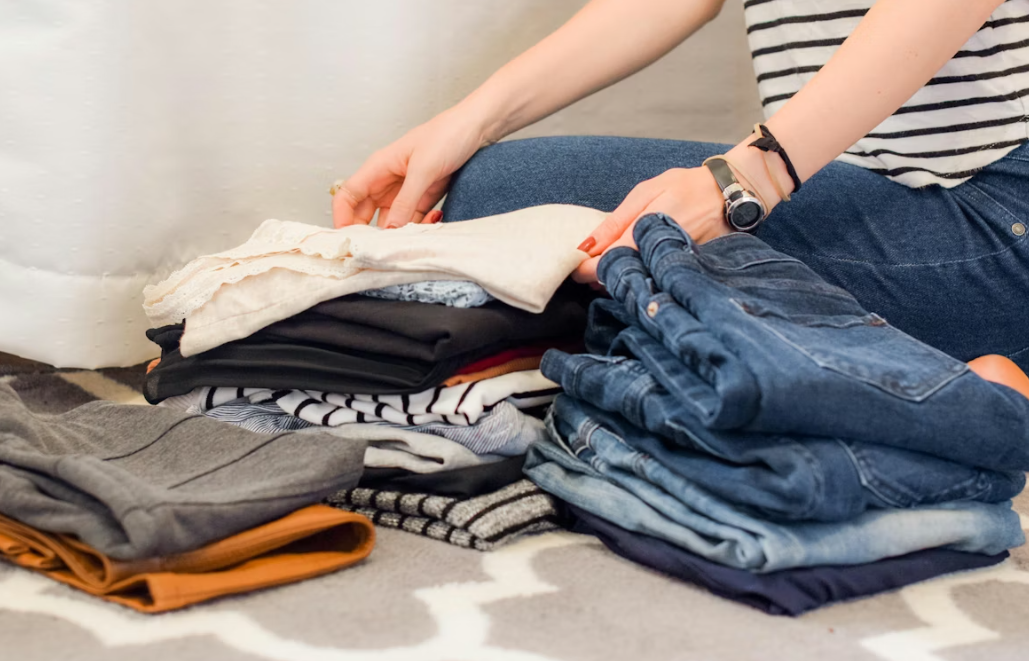
Have you ever felt like your home was shrinking? It likely isn’t the square footage that’s the problem; it’s the “inventory creep.” Clutter isn’t just a visual eyesore; it’s a cognitive tax. Every stray object on your counter is a tiny “to-do” list for your brain. To reclaim your mental and physical space, we need to look at home organization not as a chore, but as an engineering challenge. The goal is to maximize “functional density”—getting the most utility out of every cubic inch.
The Analytical Framework of Home Organization
Before we buy a single bin, we have to understand the physics of a messy home. Clutter accumulates where systems fail. If an item doesn’t have a “permanent address,” it becomes a nomad, drifting from the kitchen island to the dining table. Professional organization is about creating a logical flow where the effort to put something away is equal to or less than the effort of leaving it out.
Beyond Storage: The Difference Between Hiding and Organizing
Shoving everything into a junk drawer is “hiding.” Organizing is the strategic placement of items based on frequency of use. We want to achieve “low-friction living.” This means your daily essentials are at eye level and within reach, while seasonal items are relegated to the vertical or horizontal “dead zones” of your home.
Kitchen Optimization: The Engine Room of the Home
The kitchen is the most high-traffic zone in any house. If the kitchen is chaotic, the whole house feels chaotic.
1. Expandable Tiered Shelf Organizers
Standard cabinets are notoriously inefficient because they offer large volumes of vertical space that go unused. Tiered organizers—often called “spice bleachers”—allow you to see every label without digging. By expanding or contracting to fit your specific cabinet width, they eliminate the “dark corners” where cans of beans go to die.
2. Airtight Modular Food Canisters
Packaging is the enemy of order. Cardboard boxes are bulky, leak air, and hide how much product is actually left.
The Visual Benefits of Uniformity and Transparency Switching to square or rectangular clear canisters does three things: it saves roughly 25% more shelf space than round containers, it keeps food fresh via airtight seals, and it provides an instant visual inventory. When you can see that you’re low on pasta through a clear wall, you eliminate “duplicate buying,” which is a primary driver of clutter.
Closet Systems: Engineering Efficiency in Personal Style
Your closet should feel like a boutique, not a bargain bin. The key here is uniformity.
3. Slimline Velvet Hangers
If you are still using a mix of plastic, wire, and wooden hangers, you are wasting valuable horizontal rod space. Slimline velvet hangers are about a third of the width of plastic ones. This “compression” allows you to fit significantly more garments in the same space. Furthermore, the friction of the velvet prevents clothes from slipping off, which prevents the “pile at the bottom of the closet” syndrome.
4. Adjustable Drawer Dividers
Drawers are essentially black holes. Without internal structure, socks and shirts inevitably merge into a singular fabric mass. Adjustable dividers act as the “internal skeleton” for your furniture. They allow you to categorize items by type or color, ensuring that when you open a drawer, you find exactly what you need in under three seconds.
Bathroom and Vanity: Managing Small-Scale Chaos
Bathrooms are often the smallest rooms but contain the highest number of individual “micro-items” (lipstick, cotton swabs, medicine).
5. Stackable Acrylic Drawers
Acrylic is the gold standard for bathroom organization because it is waterproof and transparent. Stackable units allow you to utilize vertical space on your vanity or under the sink. Because you can see through them, you don’t have to label every single drawer to know where the aspirin is.
6. Over-the-Door Tiered Racks
The back of a door is often overlooked real estate. A heavy-duty tiered rack can hold hair tools, cleaning supplies, or extra towels. It’s an “out of sight, out of mind” solution that keeps the floor and countertops clear.
The Home Office: Enhancing Cognitive Focus Through Order
In the age of remote work, the home office has become a sanctuary of productivity—or a graveyard of cables.
7. Cable Management Boxes
“Cable spaghetti” is a visual pollutant. A simple cable management box hides power strips and messy cords, leaving you with a clean, streamlined desk surface. Research suggests that a clean workspace can increase focus and reduce stress levels.
8. Monitor Stands with Integrated Storage
By raising your monitor to eye level, you improve ergonomics. By choosing a stand with a drawer or a hollow base, you create a home for your keyboard or notebook, effectively reclaiming the footprint the monitor occupies.
Entryways and Shared Spaces: The First Impression
The entryway sets the tone for the rest of the house. If you trip over shoes the moment you walk in, your stress levels spike immediately.
9. Modular Shoe Rack Systems
Shoes are irregularly shaped and difficult to stack. A modular rack that can grow as your collection grows is essential. Look for systems that offer “tilted” shelves, which take up less depth in narrow hallways.
10. Decorative Wall-Mounted Key and Mail Hubs
The “mail pile” is a universal symptom of a disorganized home. A wall-mounted hub creates a triage system: incoming mail, outgoing mail, and keys. By processing paper the moment it enters the door, you prevent it from migrating to the kitchen counter.
Hidden Gems: The Unsung Heroes of Organization
Sometimes the best products are the ones you never see.
11. Under-Bed Compression Storage Bags
The space under your bed is the ultimate “long-term storage” zone. Compression bags (vacuum-sealed) allow you to shrink bulky winter coats and spare duvets to half their size, protecting them from dust while keeping them out of your primary closet.
12. Magnetic Knife and Tool Strips
Countertop knife blocks take up valuable prep space. A wall-mounted magnetic strip is a more hygienic and space-efficient solution. It also works brilliantly in craft rooms for scissors or in garages for small hand tools.
The Economics of Organization: Investing in Durability
While it is tempting to buy cheap bins at a dollar store, organizational systems are high-use items. You will open those drawers and move those bins thousands of times. Investing in high-quality materials—like bamboo, heavy-duty acrylic, or powder-coated steel—ensures the system doesn’t break down. A broken organizational system is just more clutter.
Conclusion: Developing an Organizational Mindset
The “Best” products are only as good as the habits that support them. Buying a tiered shelf won’t fix a messy kitchen if you never put the spices back. However, the right tools make those habits effortless. By analyzing your home’s pain points and applying these structural solutions, you transition from a life of “managing messes” to a life of “maintaining order.” The result isn’t just a prettier house—it’s a clearer mind and a more efficient daily routine.
Frequently Asked Questions (FAQs)
1. Should I declutter before I buy organization products? Absolutely. Never organize what you can discard. Organizing trash is still trash. Purge your belongings first, then buy the products that fit what remains.
2. What is the most important room to organize first? The kitchen or the entryway. These are the “engines” of the home. When these high-traffic areas are functional, the positive energy usually spills over into the rest of the house.
3. Are clear bins better than solid-colored ones? For daily items, yes. Transparency reduces the “cognitive load” of searching. For long-term storage or items you find visually “noisy,” solid bins can create a cleaner look.
4. How do I organize a home on a very tight budget? Focus on uniformity first. Even if you use shoeboxes, if they are all the same size and neatly labeled, they will look and function better than a mismatched set of expensive bins.
5. How often should I “reset” my organization systems? Systems should be evaluated every six months. As your life changes (new hobbies, growing kids), your storage needs will shift. A quick bi-annual audit keeps the “inventory creep” at bay.