
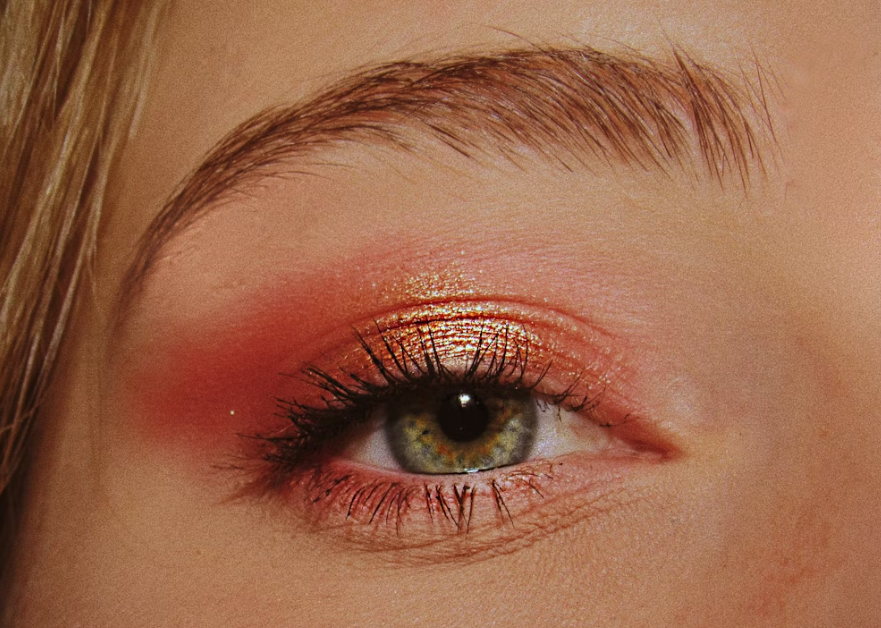
Have you ever wondered why some people seem to have a natural “lit-from-within” glow while others struggle with persistent dullness? It isn’t magic, and it isn’t just genetics. In the world of dermatology and cosmetic chemistry, a glow is simply the result of a smooth surface reflecting light evenly. When your skin is hydrated, exfoliated, and healthy at a cellular level, it acts like a mirror. If it’s dehydrated or covered in dead cells, it’s more like a frosted window.
This guide breaks down the high-performance habits and products required to transform your complexion into a radiant asset through an analytical, step-by-step framework.
Understanding the Biological Foundations of “Glowing” Skin
Before we dive into the bottles and jars, we must address the “why.” Glowing skin is a byproduct of two main factors: efficient cellular turnover and a robust skin barrier.
Desquamation and Cellular Turnover Rates
Our skin naturally sheds dead cells in a process called desquamation. In a perfect world, this happens every 28 days. However, as we age or face environmental stress, this cycle slows down. Dead cells accumulate, creating a rough texture that scatters light instead of reflecting it. To get that glow, we need to optimize this turnover rate without causing inflammation.
The Role of the Acid Mantle in Light Reflection
Your acid mantle is a thin, slightly acidic film on the skin’s surface that acts as a barrier. If your pH is thrown off by harsh soaps, your skin becomes “leaky,” losing moisture to the environment. An analytical approach to skincare prioritizes the integrity of this barrier. Without a healthy acid mantle, no amount of highlighter can mimic a true healthy glow.
Phase 1: The Essential Morning Synergy (Protection & Prevention)
The morning routine is your tactical defense against the environment. Think of it as a biological suit of armor.
Step 1: pH-Balanced Cleansing
Start your day by removing the sweat and oils produced overnight. However, do not over-strip. A gentle, non-foaming cleanser ensures you maintain the lipid barrier. If your skin feels “squeaky clean,” you’ve likely gone too far and damaged your moisture seal.
Step 2: Antioxidant Defense (Vitamin C and Beyond)
Antioxidants are the infantry units that neutralize free radicals from pollution and UV rays.
Why L-Ascorbic Acid Remains the Gold Standard
While there are many Vitamin C derivatives, L-Ascorbic Acid is the most biologically active. It brightens the skin by inhibiting melanin production and boosts collagen synthesis. When applied in the morning, it acts as a force multiplier for your sunscreen.
Step 3: Hydration Stratification with Hyaluronic Acid
Hydrated skin is plump skin. By using a humectant like Hyaluronic Acid, you draw moisture into the epidermis. This immediately reduces the appearance of fine lines—which are essentially “micro-valleys” that cast shadows on your face—and smooths the surface for better light reflection.
Step 4: UV Shielding – The Non-Negotiable Step
If you aren’t wearing SPF, the rest of your routine is statistically irrelevant. UV damage causes collagen degradation and hyperpigmentation (sun spots). A broad-spectrum SPF 30 or higher is the most effective “anti-aging” and “glow-inducing” product in your arsenal. It’s the insurance policy for your skin.
Phase 2: The Evening Recovery Protocol (Repair & Treatment)
While the morning is for protection, the night is for correction. This is when your body’s repair mechanisms are at their peak.
Step 1: The Efficacy of Double Cleansing
Throughout the day, pollutants and silicone-based sunscreens bond to your skin. A simple water-based cleanser often fails to break these down. By using an oil-based balm first, followed by a traditional cleanser, you ensure a pristine canvas for your active treatments.
Step 2: Chemical Exfoliation (AHAs vs. BHAs)
To maintain that smooth “mirror” surface, you must remove the cellular debris.
- Alpha Hydroxy Acids (AHAs) like Glycolic acid work on the surface to dissolve the glue holding dead cells together.
- Beta Hydroxy Acids (BHAs) like Salicylic acid are oil-soluble, meaning they go deep into the pores. For a glow, a mild AHA 2-3 times a week is usually the sweet spot.
Step 3: Retinoids – The Biological Architect
Retinoids (Vitamin A) are the only ingredients scientifically proven to communicate with your cells, telling them to behave like younger, healthier versions of themselves. They accelerate turnover and thicken the deeper layers of the skin. It is the ultimate long-term investment for radiance.
Phase 3: Lifestyle Variables and Long-term Maintenance
You cannot out-apply a poor lifestyle. Sleep is when your skin’s blood flow increases, and the organ rebuilds its collagen. Furthermore, chronic dehydration shows up on the face as sallow, “flat” skin. Think of your topical routine as the finish on a car; your diet and sleep are the engine.
Conclusion: Consistency Over Intensity
Achieving glowing skin is not a sprint; it is a marathon of consistency. The most analytically sound routine is the one you actually follow every day. By focusing on protection in the morning and repair at night, and always respecting your skin’s pH and barrier, you move from “trying products” to “managing biology.” The glow isn’t just a trend—it’s the visible evidence of a healthy, functioning ecosystem.
Frequently Asked Questions (FAQs)
1. How long does it take to see a visible “glow” from a new routine? Generally, you should allow at least 28 to 42 days. This corresponds with the time it takes for a new skin cell to be born and travel to the surface.
2. Can I use Vitamin C and Retinol at the same time? It is analytically safer to use them at different times—Vitamin C in the morning for protection and Retinol at night for repair. Using them together can often cause irritation due to pH conflicts.
3. Does oily skin need moisturizer to glow? Yes. Oily skin is often dehydrated (lacking water), which causes it to overproduce oil (sebum). A lightweight, oil-free moisturizer helps balance this and creates a smoother texture.
4. Is professional exfoliation better than at-home treatments? Professional peels or microdermabrasion are more “intense,” but for sustainable radiance, a consistent, low-level at-home routine is usually more beneficial for the skin barrier’s long-term health.
5. Why does my skin look dull even though I exfoliate? You may be over-exfoliating. If you strip the skin too frequently, it becomes inflamed and dehydrated, which actually makes it look more dull and red rather than radiant.